What is Delivery Processing And Handling Fee Toyota: Explained
When you’re shopping for a new Toyota, the price tag in the showroom may not be the final amount you pay. Many buyers are surprised by extra fees that appear on the final bill. One of the most common and confusing is the Delivery Processing and Handling Fee (often called the DPH fee) that Toyota adds to every vehicle. If you’re planning to buy or lease a Toyota, it’s important to understand what this fee covers, how much it typically costs, and how it compares to similar fees from other automakers. Knowing these details can help you make better decisions, avoid surprises, and feel more confident when closing the deal.
What Is The Delivery Processing And Handling Fee?
The Delivery Processing and Handling Fee is a mandatory charge Toyota adds to the price of every new vehicle sold in the United States. Sometimes, you’ll see this fee called the Destination Charge or simply “DPH” on paperwork. It’s not a dealer fee or something the dealership adds—it comes straight from Toyota and is listed on the car’s official Monroney sticker (the window sticker required by law).
This fee pays for transporting the vehicle from the factory to the dealership, as well as costs for inspection, cleaning, and preparing the car for sale. It covers several steps, including:
- Shipping the car from the assembly plant
- Unloading and storage at ports or rail yards
- Final checks and basic cleaning before the car goes to the showroom
The fee applies to all Toyota vehicles, whether you buy, lease, or finance.
Why Does Toyota Charge This Fee?
Every automaker has to move finished vehicles from their factories to dealerships across the country. The DPH fee helps Toyota recover the costs of:
- Long-distance shipping — Many Toyotas are built in Japan, Mexico, or the US, and must travel thousands of miles.
- Inland transportation — After arriving in the US, cars may need to travel by truck or train to reach the final dealership.
- Preparation — Once the car arrives, it goes through inspections to check for any damage during shipping and basic cleaning before you see it.
- Handling paperwork — Toyota covers administrative costs related to getting the car from the factory to the lot.
The fee is not a profit center for dealerships. In fact, dealerships can’t remove, reduce, or negotiate this fee—it’s set by Toyota and applies everywhere in the country.
How Much Is The Delivery Processing And Handling Fee?
The DPH fee changes almost every year and can vary based on the vehicle model and where it’s built. For most Toyota cars, trucks, and SUVs, the fee in 2024 is around $1,095–$1,495. For example:
- Toyota Camry: $1,095
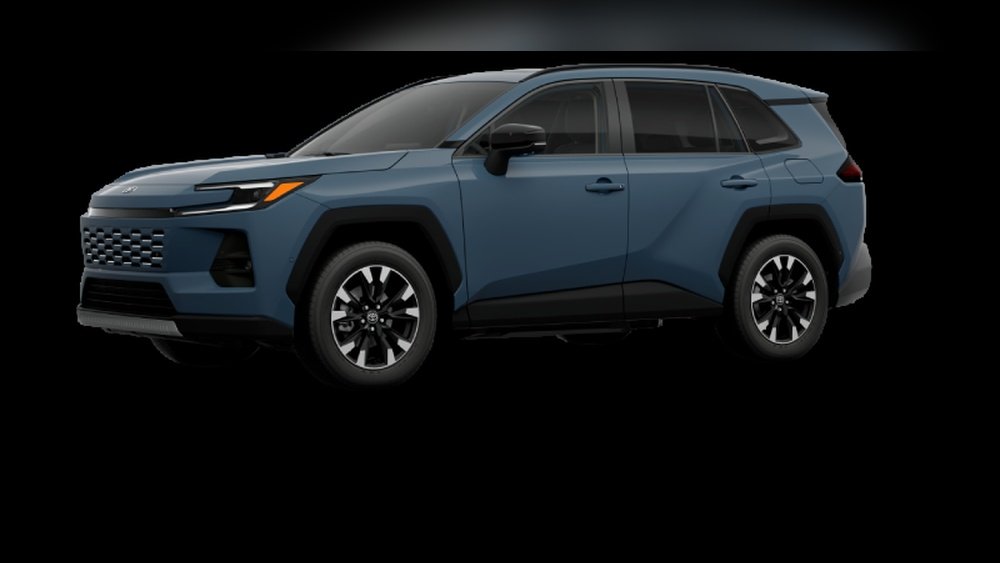
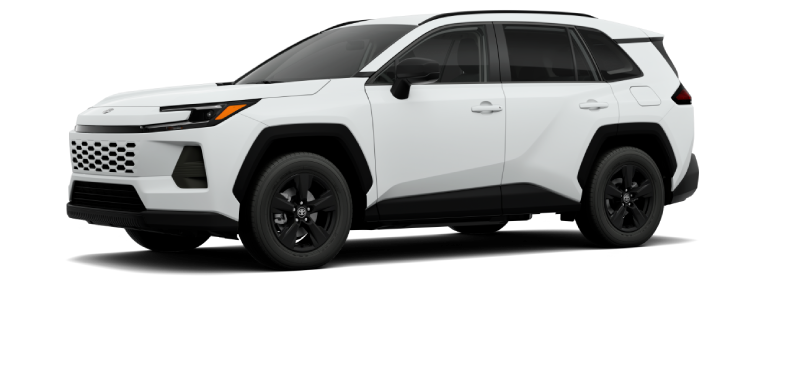
- Toyota RAV4: $1,335
- Toyota Tundra: $1,495
Some regions, like Alaska, may have a higher fee due to extra shipping challenges. The fee is always listed separately on the window sticker, so buyers can see exactly how much they’re paying.
Comparison: Dph Fee By Model (2024)
| Toyota Model | DPH Fee (USD) |
|---|---|
| Camry | $1,095 |
| RAV4 | $1,335 |
| Tundra | $1,495 |
| Corolla | $1,095 |
| Highlander | $1,335 |
Most buyers don’t realize that the fee can be different depending on the model and where the vehicle comes from. For example, larger vehicles or those built farther away from the US usually have higher fees.
What Does The Fee Include (and Not Include)?
Many car shoppers think the DPH fee covers everything related to bringing the car to the dealership. That’s not entirely true. Here’s what the fee includes and what it does not include:
Included In The Dph Fee
- Transport from factory to dealership
- Final inspection by Toyota staff
- Basic cleaning (not full detailing)
- Pre-delivery paperwork and admin costs
Not Included In The Dph Fee
- Dealer-installed accessories (like floor mats, spoilers, or remote starts)
- Local taxes and registration
- Documentation fees (charged by the dealer for title and paperwork)
- Advertising fees (sometimes added by dealers)
This is a key point: the DPH fee is separate from other charges you may see on the final bill. Some buyers mistakenly believe the fee covers all dealer prep or added accessories, but those are usually extra.
Credit: www.manhattanbeachtoyota.com
How Does Toyota’s Fee Compare To Other Brands?
Every car company charges a similar fee, but the amount can differ. Here’s how Toyota’s average DPH fee stacks up against other popular brands in 2024:
| Brand | Destination/Handling Fee (USD) |
|---|---|
| Toyota | $1,095–$1,495 |
| Honda | $1,095–$1,295 |
| Ford | $1,395–$1,595 |
| Hyundai | $1,150–$1,335 |
| Chevrolet | $995–$1,395 |
As you can see, Toyota’s DPH fee is competitive and falls within the industry average. However, prices are rising across all brands, and fees are rarely lower than $1,000 anymore.
Is The Dph Fee Negotiable?
This is a common question. The simple answer is: No, the DPH fee is not negotiable. This fee is set by Toyota, not the dealership. Federal law also requires that the fee be the same for every customer buying the same model. If you see an ad with a price that doesn’t include the DPH fee, the dealership must add it before the sale is final.
While you can negotiate other parts of your deal (like the car’s price, trade-in value, or dealer-installed options), the DPH fee will always be there. Some dealerships might “hide” the fee in the price to make offers look better, but in the end, you will pay it one way or another.
Common Myths And Misunderstandings
Many car buyers, especially first-timers, have misconceptions about the DPH fee. Here are some common myths—and the truth behind them:
- Myth: The dealer keeps the DPH fee as profit.
- Reality: The fee goes to Toyota, not the dealer. Dealers cannot change or waive it.
- Myth: If I pick up my car at the port or factory, I can avoid the fee.
- Reality: The fee is charged no matter where you take delivery, even at the port or Toyota factory.
- Myth: The DPH fee includes all dealer prep.
- Reality: It covers basic inspection and cleaning, but not extra dealer add-ons.
- Myth: The DPH fee is the same every year.
- Reality: The fee changes regularly, usually increasing with inflation and shipping costs.
Understanding these facts can help you avoid confusion and spot any dealer who tries to mislead you about the fee.
Why Is The Fee So High?
Some buyers wonder why the DPH fee is over $1,000 when shipping a car might seem cheaper. The main reasons are:
- Long distances: Many Toyotas are shipped from overseas or across the country.
- Multiple transport stages: Cars go from factory to port/rail, then to regional centers, then to dealers.
- Labor and logistics: Each step requires handling, storage, and paperwork.
- Inflation and fuel costs: Rising fuel prices and labor costs push the fee higher every year.
Interestingly, Toyota’s fee is not the highest among automakers. Luxury brands often charge more, sometimes over $2,000 per vehicle.

Credit: www.reddit.com
How To Spot The Fee On Your Paperwork
When you buy a Toyota, look for the DPH fee on the Monroney sticker (the window sticker required by federal law). It will usually appear near the bottom, under the vehicle’s base price and options.
On the final sales contract, the fee may appear as “Destination,” “Destination Charge,” or “Delivery Processing and Handling. ” If you don’t see it, ask the dealer to point it out. Make sure you’re not being charged twice for the same fee—sometimes, dealers accidentally (or intentionally) list it in two places.
Can You Avoid Or Reduce The Fee?
It’s natural to want to save money, but the DPH fee is unavoidable for new Toyotas. There are a few things you can try:
- Shop used: Pre-owned Toyotas usually do not have a DPH fee, though dealers may charge other fees.
- Negotiate the total price: While you can’t remove the fee, you can negotiate the final “out-the-door” price to offset it.
- Check dealer add-ons: Sometimes, extra fees are disguised as processing or handling charges. Ask for a breakdown.
If a dealer says they can waive the DPH fee, be cautious—this may mean they’re hiding the fee somewhere else or adjusting the numbers in a way that’s not transparent.
Credit: www.lexusofpembrokepines.com
Real-world Example: Buying A Toyota Rav4
Let’s walk through a real example to show how the DPH fee works in practice.
- Base Price: $29,000
- Options: $1,200
- Delivery Processing and Handling Fee: $1,335
- Dealer Documentation Fee: $350
- Sales Tax (7%): $2,217.55
Total Price: $34,102.55
In this case, the DPH fee is a significant part of the total cost. If you’re comparing prices between dealers, always check if their quotes include the DPH fee. Some ads show the car’s price without the fee to look cheaper, but you’ll pay it later.
Hidden Insights Most Buyers Miss
- Regional differences matter. The DPH fee can be higher in states that are harder to reach, like Alaska or Hawaii. Always ask for the exact fee in your region.
- It applies to leases, too. Even if you lease, the fee is included in your lease calculation, affecting your monthly payment.
- It’s not taxed separately. In most states, the DPH fee is included in the taxable amount, so you’re paying sales tax on the fee as well.
Many buyers overlook these details, which can make a difference in the final cost and your monthly budget.
Tips For Dealing With The Dph Fee
- Compare “out-the-door” prices, not just the sticker price. This is the only way to see what you’ll really pay.
- Ask for a fee breakdown in writing if you’re unsure about what’s included.
- Check the Monroney sticker and make sure the DPH fee matches what’s on your contract.
- Don’t focus only on the DPH fee—other add-ons and dealer fees may be more negotiable.
If you want to learn more about how car pricing works, the U.S. government’s consumer resources are a reliable place to start. See this Federal Trade Commission guide for more.
Frequently Asked Questions
What Is The Delivery Processing And Handling Fee On A Toyota?
The Delivery Processing and Handling Fee is a charge Toyota adds to every new vehicle to cover the cost of shipping, inspecting, and preparing the car for sale. It is not set by the dealer and must be paid by all buyers.
Is The Dph Fee The Same For All Toyota Models?
No, the fee varies by model, region, and sometimes by where the vehicle was built. In 2024, it ranges from about $1,095 to $1,495 depending on the specific Toyota.
Can I Negotiate Or Remove The Dph Fee?
No, the DPH fee is non-negotiable and set by Toyota. Dealers cannot waive it or change the amount. It appears on every new Toyota’s window sticker.
Does The Dph Fee Cover All Dealer Preparation?
The fee covers basic inspection and cleaning, but not dealer-installed accessories or extra detailing. Any additional dealer fees are separate.
Why Is The Dph Fee Rising Every Year?
The fee increases because of higher shipping costs, labor, fuel prices, and inflation. Most automakers raise these fees yearly to keep up with rising expenses.
Buying a new Toyota is exciting, but understanding every fee will help you avoid surprises and make smarter decisions. The Delivery Processing and Handling Fee is a normal part of car buying today—knowing how it works means you’re one step ahead.