How to Recharge Car AC Hyundai Elantra: Step-by-Step Guide
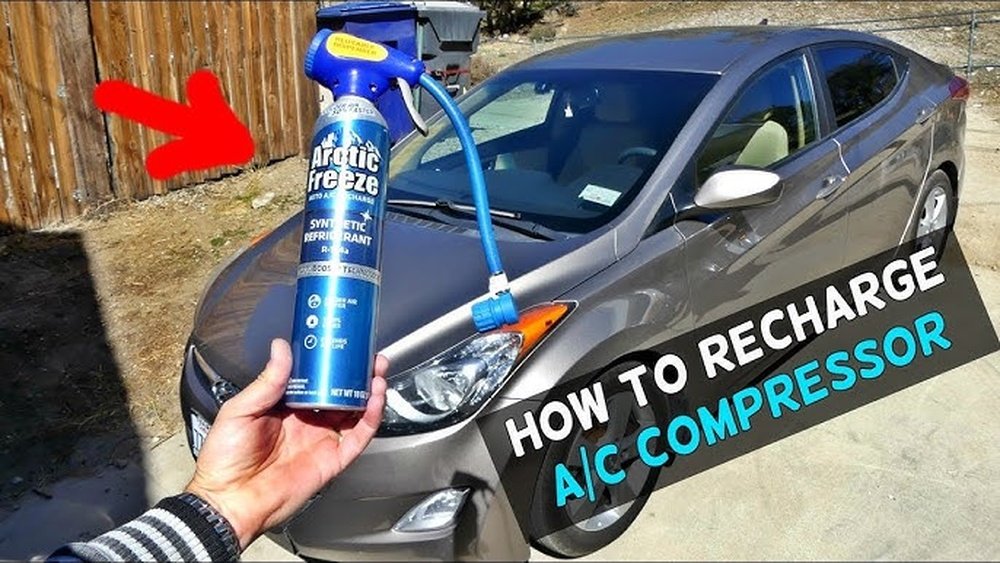
If your Hyundai Elantra’s air conditioning starts blowing warm air, it’s more than just a comfort issue—especially in hot weather. A weak AC can make every drive frustrating. The good news: you don’t always need a mechanic for a simple recharge. Knowing how to recharge car AC Hyundai Elantra can save you money and keep your car cool all summer. With the right tools, some patience, and a little care, you can restore that icy blast yourself.
But before grabbing a can of refrigerant, it’s important to understand the process, the risks, and how to do it safely. Many drivers rush in and make mistakes that damage their system or even harm their health. This guide will show you the correct way—step by step—to recharge your Hyundai Elantra’s AC, explain what you need, highlight what can go wrong, and offer tips for a longer-lasting fix.
What Does Recharging Your Hyundai Elantra’s Ac Mean?
Recharging the AC system means adding new refrigerant to replace what’s been lost. Your Elantra uses R-134a or, in newer models, R-1234yf refrigerant. Refrigerant absorbs heat from the air inside your car and releases it outside, making the cabin cooler. If the level drops too low, the AC can’t work well.
But losing refrigerant isn’t normal. If your AC needs a recharge, it often means there’s a leak. Recharging will make it cold again for a while, but the true fix is to find and repair the leak. Still, for many Elantra owners, a DIY recharge can get things working again temporarily.
Tools And Materials Needed
Before starting, gather these items. Using the correct tools is essential for safety and performance.
- R-134a or R-1234yf refrigerant (Check your owner’s manual for the right type)
- Recharge hose with pressure gauge (Make sure it fits your refrigerant can)
- Protective gloves and safety goggles
- Thermometer (optional, to measure vent temperature)
- Towel or rag (for spills)
- Flashlight (to help locate service ports)
- Owner’s manual (for reference)
Most auto parts stores sell AC recharge kits with refrigerant and a hose. Do not use a kit with a sealant, as these can damage your AC system.
Safety Precautions
Handling refrigerant requires caution. Here are a few rules to follow:
- Always wear gloves and eye protection. Refrigerant can cause cold burns.
- Work in a well-ventilated area—never inside a closed garage.
- Never inhale refrigerant. It is harmful and can cause serious health issues.
- Make sure the engine is off before connecting or disconnecting anything.
- Keep the can upright to avoid liquid refrigerant entering the system.
Step-by-step Guide To Recharging Your Hyundai Elantra’s Ac
Now, let’s look at how to recharge your AC system safely and correctly.
1. Check The Symptoms
If your AC is blowing warm air or not cooling like before, it may need a recharge. However, if you hear strange noises, smell a chemical odor, or see oily spots under the car, you could have a bigger issue.
In these cases, it’s better to visit a professional.
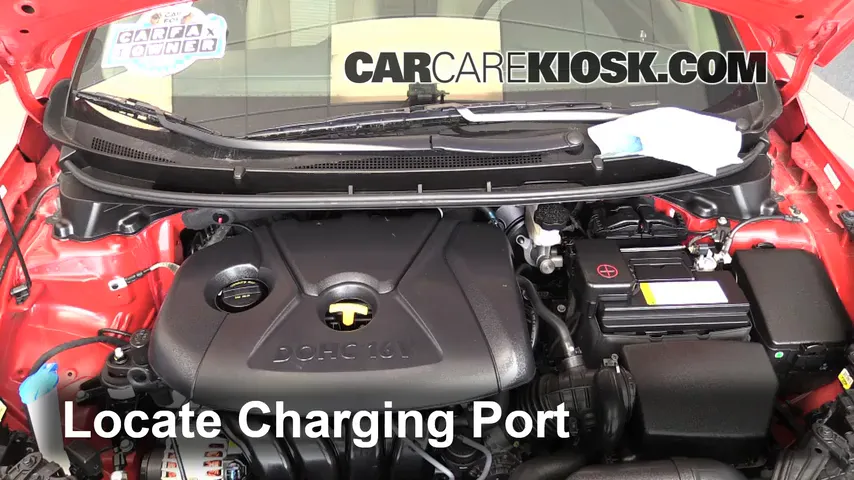
2. Locate The Low-pressure Service Port
The Elantra’s AC has two ports: high-pressure (smaller, usually near the front of the engine bay) and low-pressure (larger, closer to the firewall). Only connect the recharge hose to the low-pressure port.
- Pop the hood and look for the AC lines. The low-pressure port usually has a black or blue cap labeled “L”.
- Remove the cap and keep it safe.
3. Start The Engine And Set The Ac
- Start your car.
- Set the AC to maximum cold and the fan to the highest setting.
- Open all windows to prevent the AC from cycling off.
4. Check The Current Pressure
- Attach the recharge hose (with gauge) to the low-pressure port.
- Read the pressure. For most Elantras, proper low-side pressure is between 25–45 psi.
- If the gauge reads below 25 psi, you may need a recharge.
5. Add Refrigerant Slowly
- Shake the refrigerant can.
- With the can upright, connect it to the hose.
- Squeeze the trigger to add refrigerant. Do this in short bursts—10 to 15 seconds at a time.
- Check the pressure after each burst.
- Stop when you reach 40 psi or the green range on your gauge.
6. Monitor The Vent Temperature
- Place a thermometer in the center vent.
- The air should become colder as you add refrigerant. Most systems blow air around 38–50°F when fully charged.
- If it doesn’t get colder, or the gauge goes above 45 psi, stop immediately.
7. Finish Up
- Remove the recharge hose.
- Replace the port cap tightly.
- Turn off the car and clean up any spills.
8. Test Drive
Drive for 10–15 minutes with the AC on. If it stays cold, your recharge was successful. If it’s still weak, you may have a bigger problem, like a leak or failed component.
Credit: www.carcarekiosk.com
Hyundai Elantra Ac Refrigerant Types And Amounts By Year
Knowing your car’s exact refrigerant type and capacity prevents overcharging or using the wrong product. Here is a quick reference:
| Model Year | Refrigerant Type | AC System Capacity (oz) |
|---|---|---|
| 2011–2016 | R-134a | 16–18 |
| 2017–2019 | R-134a | 16–18 |
| 2020–2023 | R-1234yf | 16–18 |
Always double-check your owner’s manual for the exact figures.
Common Mistakes And How To Avoid Them
Many first-timers make errors that can damage the AC or waste money. Here are the most common and how to prevent them:
1. Overcharging The System
Adding too much refrigerant can reduce cooling and strain the compressor. Always use the gauge and stop at the recommended pressure.
2. Connecting To The Wrong Port
Never connect the hose to the high-pressure port. It can cause injury or damage.
3. Ignoring Leaks
If you need a recharge every few months, your AC has a leak. Recharging alone won’t solve this. Use a UV leak detector or visit a professional.
4. Not Running The Engine
The AC compressor must be on to pull in the refrigerant. Always have the engine running and AC set to max.
5. Using The Wrong Refrigerant
Mixing R-134a and R-1234yf is dangerous and illegal. Use only the type your car requires.

Credit: www.ifixit.com
Signs Of A Bigger Ac Problem
Sometimes a recharge won’t fix the issue. Here are signs you need a mechanic:
- AC blows hot air, even after recharging
- Loud clicking or grinding from the AC compressor
- Noticeable leaks under the car (green or oily fluid)
- A/C clutch not engaging
- Burning smell when AC is on
If you see any of these, stop and get a professional diagnosis.
How Often Should You Recharge The Ac?
A healthy Hyundai Elantra AC system should not need regular recharging. Most cars can go 5–7 years without needing more refrigerant, unless there’s a leak. If you find yourself recharging yearly or more, it’s time for a leak check.
Cost Comparison: Diy Vs Professional Ac Recharge
Let’s compare the costs between doing it yourself and going to a mechanic.
| Option | Average Cost | What’s Included |
|---|---|---|
| DIY Recharge Kit | $40–$60 | Refrigerant, hose, gauge |
| Professional Service | $120–$250 | Evacuation, leak check, recharge |
DIY is cheaper for a simple top-off, but a mechanic will check for leaks, vacuum the system, and ensure a full recharge.
How To Make Your Ac Recharge Last Longer
Want your Elantra’s AC to stay cold for years after recharging? Follow these tips:
- Run the AC regularly—even in winter. This keeps seals lubricated and prevents leaks.
- Keep the cabin air filter clean. A dirty filter strains the system and reduces airflow.
- Park in the shade when possible. Less heat means less work for your AC.
- Have the system checked every 2–3 years by a pro. They can spot leaks before they become big problems.
Non-obvious Insights Most Beginners Miss
1. Ambient Temperature Matters.
Refrigerant pressure readings are affected by outside air temperature. On very hot or cold days, pressure may seem high or low. Always check the gauge’s temperature chart if available.
2. Listen For The Ac Clutch.
When adding refrigerant, you should hear the AC compressor clutch engage (a soft click). If it doesn’t, the system may be too empty to start, or there’s an electrical problem.
When To Avoid Diy Recharging
While many people recharge their Hyundai Elantra’s AC at home, it’s not for everyone. Avoid DIY if:
- You see or hear obvious leaks
- The system was recently repaired
- You’re unsure about refrigerant type or capacity
Professional shops also recover and recycle refrigerant, reducing environmental harm. If in doubt, always consult a certified technician.
For more details about automotive air conditioning systems, check out this Wikipedia article on automobile air conditioning.

Credit: www.youtube.com
Frequently Asked Questions
How Do I Know If My Hyundai Elantra Needs An Ac Recharge?
If your AC is blowing warm air, takes longer to cool, or the air is only cool when driving at speed, your system may need a recharge. Check the pressure with a gauge to be sure.
Can I Use R-134a In A Newer Elantra That Uses R-1234yf?
No, you must use the correct refrigerant type. Mixing refrigerants can damage the system and is illegal in many places.
How Much Refrigerant Does A Hyundai Elantra Need?
Most Elantras use between 16–18 ounces, but always check your owner’s manual for the exact amount.
Is It Safe To Recharge My Ac Myself?
Yes, if you follow the safety steps and use the correct tools. Always wear gloves, goggles, and work in a ventilated area.
What Should I Do If The Ac Stops Working Soon After Recharging?
This usually means there is a leak in the system. Recharging alone won’t fix the problem; you’ll need a professional to locate and repair the leak.
Recharging your Hyundai Elantra’s AC is a straightforward job for most car owners, as long as you take safety seriously and follow the correct steps. With a careful approach, you can enjoy cool air again and save on repair costs.
Remember, regular AC checkups can help prevent bigger issues, keeping every ride comfortable and worry-free.