What Size Screws for Toyota License Plate: Expert Guide
When you get a new car or need to replace your license plates, you might not think much about the screws that hold them in place. But using the correct size screws for your Toyota license plate can save you time, trouble, and even prevent damage to your car. This guide explains everything you need to know about the right screw size for Toyota license plates, including why it matters, which sizes are standard, and how to avoid common mistakes. Whether you drive a Camry, Corolla, RAV4, Tacoma, or another Toyota model, you’ll find clear advice here.
Why Screw Size Matters For Your Toyota License Plate
Choosing the right screw size isn’t just about making sure the plate stays attached. The screws must fit the holes in your car’s bumper or trunk lid and match the thickness of the license plate and any frame you use. If the screw is too long, it can poke into other parts behind the plate. If it’s too short, it may not hold the plate securely. Sometimes, using the wrong screws can even strip the threads or crack the plastic mounting points on your Toyota.
Using proper screws also helps:
- Prevent rattling or noise from loose plates
- Avoid rust stains from low-quality screws
- Ensure the license plate sits flat and secure
- Make it easy to remove or change plates in the future
Standard Screw Sizes For Toyota License Plates
Most Toyota vehicles use a standard screw size for mounting license plates, but there are some exceptions based on the model and year. The most common screw size for Toyota license plates in the United States is:
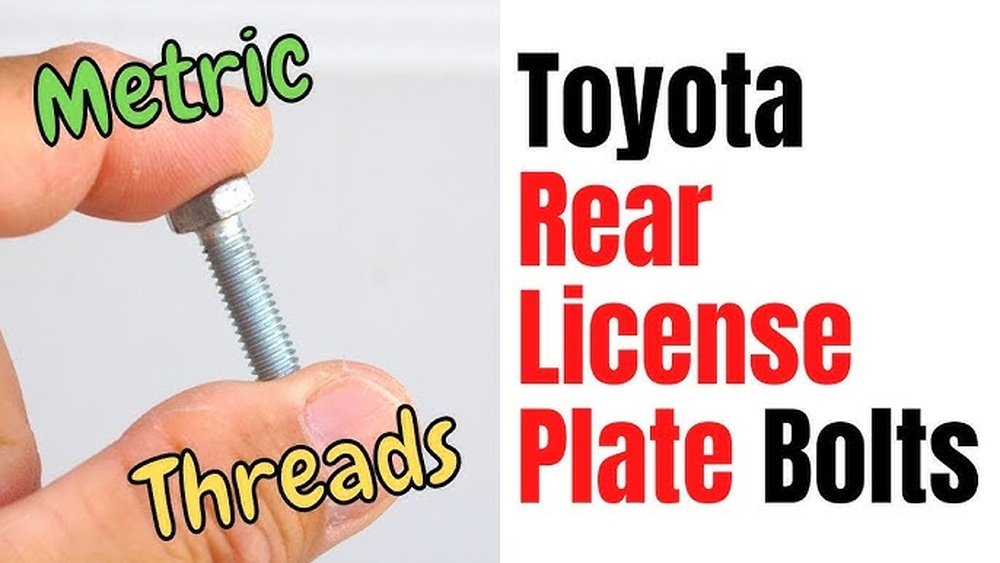
- M6-1.0 x 16mm (Metric, 6mm diameter, 1.0mm thread pitch, 16mm length)
This size fits most Toyota models for both front and rear plates. However, it’s always a good idea to check your specific car, especially if you have a model built for a different market or a custom bumper.
Here’s a simple reference table showing the most common screw sizes for popular Toyota models:
| Toyota Model | Year Range | Standard Screw Size | Notes |
|---|---|---|---|
| Camry | 2000–2024 | M6-1.0 x 16mm | Fits most trims |
| Corolla | 2000–2024 | M6-1.0 x 16mm | Front and rear same size |
| RAV4 | 2000–2024 | M6-1.0 x 16mm | Check rear for inserts |
| Tacoma | 2005–2024 | M6-1.0 x 16mm | Older models may vary |
| Highlander | 2001–2024 | M6-1.0 x 16mm | Front sometimes uses plastic |
Understanding Screw Measurements
If you’ve ever shopped for screws, you’ve probably seen a lot of numbers and letters. Here’s what they mean:
- M6: Metric screw, 6mm diameter
- 1.0: Thread pitch (distance between threads, in mm)
- 16mm: Length of the screw (not counting the head)
Most license plate screws for Toyota are machine screws, not self-tapping or wood screws. That means they’re designed to fit into pre-threaded holes or metal inserts.
Special Cases: Us Vs. Japanese-spec Toyotas
Not all Toyotas use the same mounting system. Some vehicles imported from Japan or other countries might have different screw sizes or mounting points. For example, Japanese-market Toyotas sometimes use:
- M5 or M5.5 screws (slightly smaller diameter)
- Different thread pitch
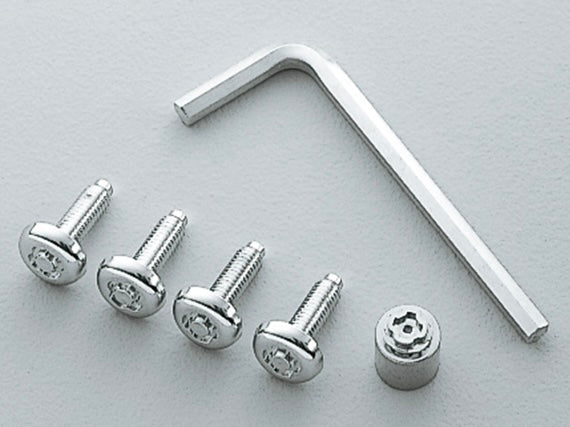
If you have a JDM (Japanese Domestic Market) Toyota or your car uses plastic inserts (often yellow or white), check the existing screws before buying replacements.
Credit: www.asrparts.com
How To Check Your Toyota’s License Plate Screw Size
To make sure you get the right screws, you can:
- Remove one of the current screws and measure it. Use a caliper or ruler to check the diameter and length.
- Look in the owner’s manual – some manuals list the screw size in the license plate installation section.
- Visit your local Toyota dealer – they can look up your car by VIN and tell you the exact screw size.
- Compare with a replacement kit – many auto parts stores sell “Toyota license plate screw kits,” which usually include the standard size.
What Material Should License Plate Screws Be?
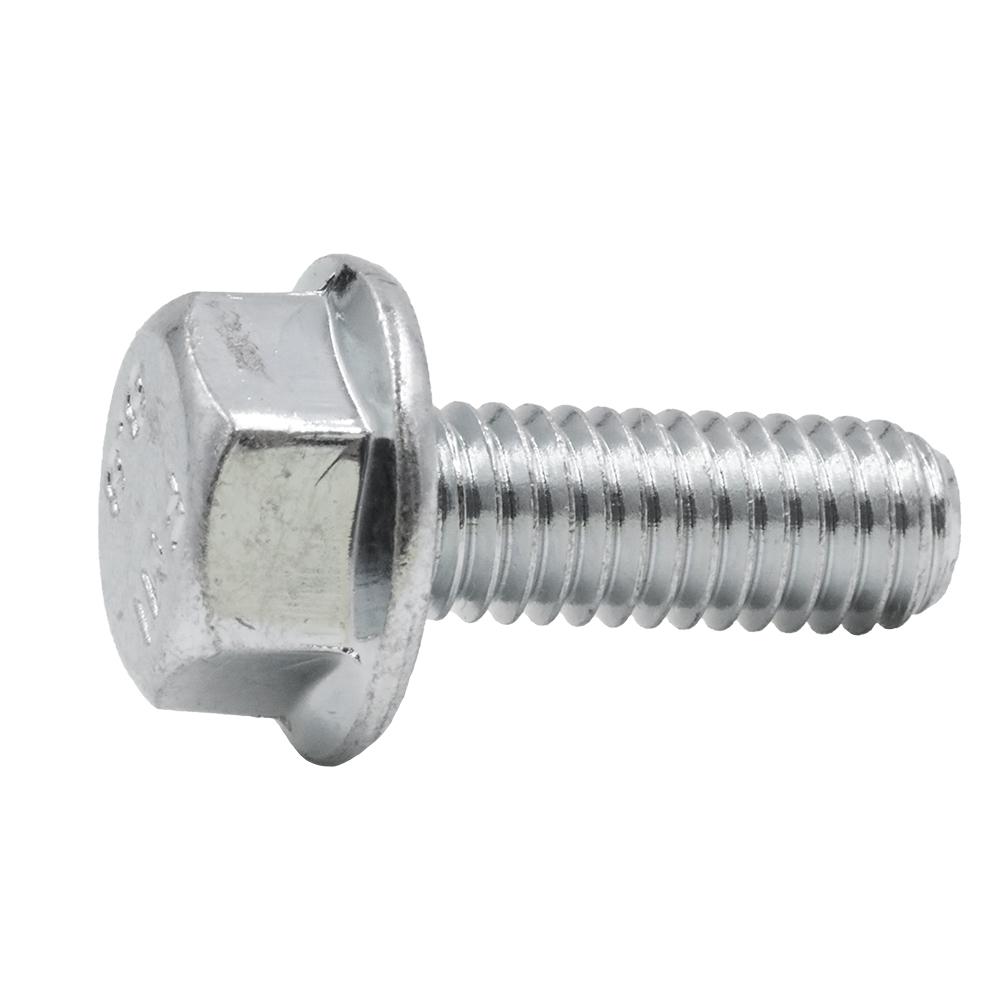
The screw material affects how long they last and whether they rust. Toyota and most manufacturers use stainless steel or zinc-plated steel for license plate screws. Stainless steel is the best choice, as it resists rust and corrosion. Zinc-plated is cheaper but can rust over time, especially in wet or salty areas.
Some aftermarket kits offer black-coated stainless steel for a cleaner look, which matches black license plate frames.
Credit: bobistheoilguy.com
How To Install Toyota License Plate Screws
Installing license plate screws is a simple job, but there are a few details that can make the process smooth and safe.
- Align the plate and frame: Place the license plate (and frame, if you use one) over the mounting holes.
- Start by hand: Always start the screws by hand to avoid cross-threading.
- Tighten gently: Use a screwdriver (Phillips or flathead, depending on the screw) to tighten until snug. Do not overtighten, as this can strip the threads or crack the mounting point.
- Check for rattling: If the plate moves or rattles, add rubber washers or foam pads behind it.
- Use anti-seize compound: In areas with heavy salt or rain, a tiny drop of anti-seize on the screw threads can prevent corrosion.
Common Mistakes When Replacing License Plate Screws
It’s easy to make simple mistakes that can cause bigger problems later. Some common ones include:
- Using wood screws or drywall screws: These can damage the mounting point.
- Omitting washers: Metal-to-metal contact can scratch your paint; use nylon or rubber washers.
- Overtightening: This can strip threads, especially in plastic or soft metal.
- Wrong length: If the screw is too long, it may hit wires or body panels behind the mounting point.
- Mixing metric and standard: Toyota uses metric screws. Using a non-metric screw may not fit well and can damage the threads.
Are License Plate Screws Universal?
While many US-made cars use similar screws, Toyota vehicles require metric screws. Some American cars use #14 or #12 self-tapping screws, which are close but not exact. Toyota’s M6-1.0 screws are easy to find at hardware stores, auto parts shops, or online. Always check the thread pitch and length.
What To Do If Your License Plate Screw Holes Are Stripped
If the screw hole is stripped (the screw just spins and won’t tighten), you have a few options:
- Use a slightly longer screw: Sometimes a screw that’s 20mm or 25mm long will catch new threads deeper in the hole.
- Install a thread repair insert: Kits like “Helicoil” allow you to repair damaged threads.
- Use a plastic anchor: For holes in plastic bumpers, a new plastic anchor can provide a fresh grip.
- Consult a professional: If the hole is badly damaged, body shops can repair or replace the mounting point.
Comparison: Toyota License Plate Screws Vs Other Brands
It’s helpful to see how Toyota’s screws compare to those used by other major car brands:
| Car Brand | Typical Screw Size | Thread Type | Material |
|---|---|---|---|
| Toyota | M6-1.0 x 16mm | Metric machine | Stainless steel |
| Honda | M6-1.0 x 16mm | Metric machine | Stainless steel |
| Ford | #14 x 3/4 in | Self-tapping | Zinc-plated steel |
| Chevrolet | #12 x 3/4 in | Self-tapping | Zinc-plated steel |
| BMW | M5 x 16mm | Metric machine | Stainless steel |
As you can see, while some brands share similar sizes, Toyota’s metric screws are not always interchangeable with domestic brands.
How Many Screws Do You Need For A Toyota License Plate?
Standard license plates use four screws (two on top, two on bottom), but some Toyota vehicles may only use two on the top. Always use all provided holes for the most secure fit, especially if you drive on rough roads or highways.
If you use a license plate frame or cover, make sure the screws are long enough to go through both the plate and the frame.
Choosing License Plate Screw Kits
If you want a complete solution, many stores sell Toyota license plate screw kits. These usually contain:
- 4 stainless steel screws (M6-1.0 x 16mm)
- 4 nylon washers
- 4 plastic anchors (for use in plastic bumpers)
- Sometimes matching screw caps for a cleaner look
When buying a kit, check that it’s Toyota-specific and not just labeled “universal.” Some universal kits use self-tapping screws that won’t fit Toyota’s threaded holes.
Non-obvious Insights Most People Miss
- Front and rear screw holes may not be the same on all Toyotas. For example, the rear bumper may use plastic inserts, while the front might be metal. Always check both before buying replacements.
- Weather can affect screw choice. In snowy or coastal areas, stainless steel is far better than zinc-plated. Over time, rusted screws can seize and be very hard to remove.
Toyota License Plate Screw Installation Tips
- If the screw feels stiff, back it out and check for cross-threading before forcing it.
- If you have a painted bumper, place a thin foam pad behind the plate to protect the paint.
- For a more “factory” look, use black screw caps or covers that match your plate frame.
Where To Buy Toyota License Plate Screws
You can find the correct screws at Toyota dealerships, auto parts stores, or online retailers. If you buy online, make sure to check product reviews and descriptions for M6-1.0 x 16mm sizing. For more detailed technical specs, you can visit the official Wikipedia License Plate Fastener page.

Credit: www.youtube.com
Frequently Asked Questions
What Size Screws Fit My Toyota License Plate?
Most Toyotas use M6-1.0 x 16mm machine screws. This size fits the holes in the bumper or trunk lid and matches the plate’s thickness. Always check your car’s manual or remove a screw to confirm.
Can I Use Regular Hardware Store Screws For My Toyota Plate?
You can, as long as you match the M6-1.0 thread and use a length of 16mm to 20mm. Avoid wood or self-tapping screws, which can damage your Toyota’s mounting points.
Are Stainless Steel Screws Better For License Plates?
Yes, stainless steel screws are best because they resist rust and corrosion. This keeps your plate secure and makes future removal easier.
What Should I Do If My Toyota’s License Plate Screw Holes Are Stripped?
Try a longer screw first, or use a thread repair kit like Helicoil. For plastic holes, plastic anchors can help. If the damage is severe, a body shop can repair the mounting area.
Do I Need To Use Washers With My Toyota License Plate Screws?
It’s a good idea to use nylon or rubber washers. They protect your car’s paint from scratches and help keep the plate quiet and secure.
No matter what Toyota you drive, using the right size and type of screws for your license plate is a small but important detail. It keeps your plate secure, your car looking neat, and helps avoid problems down the road.
Always check your specific model, use quality materials, and install your license plate carefully for the best results.