How to Check AWD System Toyota Highlander: Step-by-Step Guide
If you own a Toyota Highlander or are considering one, you might have heard about its AWD system (All-Wheel Drive). This feature is a big advantage for driving on slippery roads, rough terrain, or during bad weather. But how do you know if your AWD system is working correctly? Checking the AWD system is important for safety, performance, and to avoid expensive repairs. Many Highlander owners, especially those new to AWD, don’t realize how easy it can be to inspect this system themselves. This guide walks you through the full process, explains common mistakes, and gives tips that even some mechanics overlook.
What Is Awd In Toyota Highlander?
The AWD system in the Toyota Highlander is designed to send power to all four wheels. This helps the SUV grip the road better and reduces the chance of slipping, especially in rain, snow, or on uneven surfaces. Highlander’s AWD is different from 4WD (Four-Wheel Drive), which is usually found in trucks. AWD is automatic—it turns on when needed and turns off when not, saving fuel and reducing wear.
Most Highlander models use a dynamic AWD system. This means the car decides when to send power to each wheel, based on sensors and road conditions. For example, if the front wheels start to slip, the system sends more power to the rear wheels.
Why Checking Awd System Matters
Many drivers think AWD is “set and forget.” But like any mechanical system, it can develop problems. These issues can affect how your Highlander handles, its fuel efficiency, and even your safety. Ignoring AWD maintenance can lead to expensive repairs. For example, a faulty AWD system can damage the transfer case or the differential, which are costly to fix.
Regular checks help you:
- Prevent sudden breakdowns
- Catch small problems before they grow
- Ensure best traction and handling

Credit: www.youtube.com
Signs Your Awd System Needs Attention
Before checking the system directly, notice any warning signs. These hints often come up before a full failure.
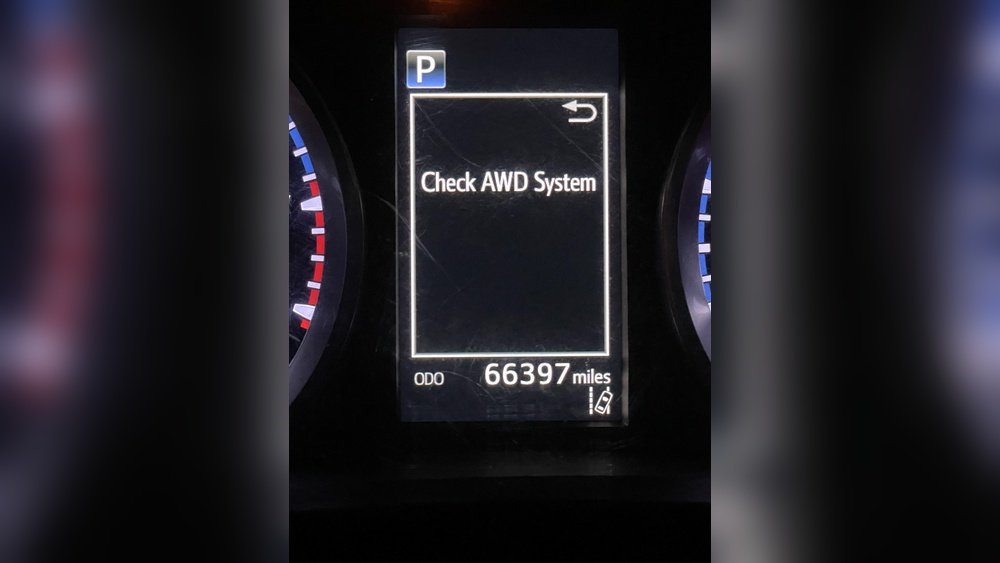
- AWD warning light on the dashboard
- Strange noises from under the car—especially grinding or whining
- The Highlander feels unstable on slippery roads
- Sudden jerks or vibrations during acceleration
- Poor fuel economy, worse than usual
If you spot any of these, it’s time to check the AWD system more closely.
Step-by-step Guide To Check Awd System
Checking your Highlander’s AWD system is not just for experts. Many steps are simple and can be done at home. Here’s a practical breakdown:
1. Inspect Dashboard Warning Lights
Start your vehicle and look for the AWD warning light. If it stays on, this means the system has detected a problem. Sometimes, the light flashes during startup, which is normal. But if it remains lit, you need to investigate further.
2. Listen For Unusual Sounds
With the car running, listen carefully near the center and rear of the vehicle. Clicking, grinding, or whining sounds can signal trouble with the driveshaft, transfer case, or differential.
3. Visual Inspection Under The Car
Check for leaks or damage:
- Look for wet spots under the Highlander after parking overnight.
- Inspect the transfer case and differential for leaks.
- Check for broken or loose wires near the AWD sensors.
4. Test Drive On Different Surfaces
Drive your Highlander on:
- Dry pavement
- Gravel or loose dirt
- Wet or snowy roads
Notice if the vehicle handles differently on each surface. The AWD system should activate smoothly, without jerks. If the Highlander slides or feels unstable, the AWD may not be working properly.
5. Use The Awd Control Display (if Available)
Some Highlander models have a display showing AWD activity. This screen will show which wheels are getting power. If the display doesn’t change when you drive on slippery surfaces, the system may not be working.
6. Scan For Diagnostic Trouble Codes (dtcs)
Modern Highlanders have built-in computers that store error codes. You can use an OBD-II scanner (available at auto stores) to read these codes. Plug it into the port under the dashboard and follow the instructions. If you see AWD-related codes, write them down and look them up.
7. Check Awd Fluid Levels
The AWD system uses special fluid in the transfer case and differential. Low fluid can cause overheating or damage. Check fluid levels if you’re comfortable, or ask a mechanic. The owner’s manual will show where to find the fill plugs.
8. Examine Tires And Tire Pressure
AWD systems rely on all four tires being the same size and pressure. Different tire sizes or low pressure can confuse the AWD sensors and cause problems.
- Measure tire tread depth. All tires should have similar wear.
- Check tire pressure with a gauge.
9. Inspect Electrical Connections
AWD sensors and actuators use wires and connectors. Over time, these can get dirty or loose. Inspect wiring near the transfer case and differential for corrosion or damage.
10. Professional Diagnosis
If you find problems but aren’t sure what’s wrong, visit a qualified mechanic. Toyota dealerships have special tools to check the AWD system fully.
Credit: www.reddit.com
Common Awd Problems In Toyota Highlander
Knowing what usually goes wrong helps you spot issues early.
- Sensor failure: AWD sensors can stop working due to dirt, water, or age.
- Fluid leaks: The transfer case and differential can lose fluid over time.
- Electrical issues: Broken wires or connectors can interrupt signals.
- Uneven tire wear: AWD systems get confused if tires are worn unevenly.
- Transfer case damage: Often caused by driving with low fluid or ignoring warning lights.
These problems can usually be fixed if found early.
How Often Should You Check Awd?
Toyota recommends checking the AWD system every 15,000 miles or once a year. If you drive in tough conditions (snow, mud, hills), check more often. Also, inspect after any warning lights or strange noises.
Tips For Maintaining Highlander Awd System
Simple habits can extend the life of your AWD system:
- Rotate tires every 5,000–7,500 miles
- Keep tire pressure balanced
- Use the correct fluid type for transfer case and differential
- Avoid hard acceleration on slippery roads
- Clean electrical connectors during routine maintenance
Many Highlander owners overlook the importance of tire rotation. Uneven tires put extra strain on the AWD system and lead to costly repairs.
Data: Awd System Reliability And Maintenance Costs
AWD systems in Highlander models are known for reliability, but regular checks are key. Here’s a comparison between AWD and 4WD maintenance:
| System Type | Maintenance Frequency | Average Repair Cost | Common Issues |
|---|---|---|---|
| AWD (Highlander) | Annually / 15,000 miles | $300–$800 | Sensor failure, fluid leaks |
| 4WD (Other SUVs) | Every 6 months / 10,000 miles | $500–$1,200 | Transfer case damage, actuator failure |
Notice AWD systems cost less to maintain than 4WD, but neglect can still get expensive.

Credit: www.youtube.com
Comparing Awd Activation Methods
Different Highlander models use different AWD activation systems. Here’s a comparison of how they work:
| Model Year | AWD Activation | Driver Control | Sensor-Based |
|---|---|---|---|
| 2014–2019 | Automatic | No | Yes |
| 2020–Present | Dynamic AWD | Limited | Advanced |
Newer models use more advanced sensors, meaning they can react quicker to slippery conditions.
Non-obvious Insights For Beginners
Most guides miss these tips:
- Tire brand matters: Even if tires are the same size, different brands can have tiny differences that confuse the AWD sensors. Stick to one brand for all four tires.
- AWD doesn’t always mean better grip: If you’re driving with bald or mismatched tires, AWD won’t save you. Good tires matter more than AWD.
- Fluid changes: Many owners skip AWD fluid changes thinking it’s not needed. But dirty fluid can cause damage even if the system seems fine.
What To Do If You Find An Awd Problem
If your check shows a problem:
- Avoid driving in tough conditions until it’s fixed.
- Write down any error codes or symptoms.
- Contact a Toyota dealer or trusted mechanic.
- Don’t try to fix electrical or sensor issues yourself unless you’re trained.
Some problems are minor, like a loose wire, but others can cause major damage if ignored.
When To Visit A Mechanic
If you notice:
- Warning lights that stay on
- Loud noises from under the car
- AWD system doesn’t respond on slippery roads
- Fluid leaks that keep coming back
Don’t wait. Early repair saves money and keeps you safe.
How Dealers Diagnose Awd Issues
Toyota dealers use special tools:
- Techstream diagnostic software reads error codes and tests sensors.
- Pressure tests check for leaks.
- Mechanics check AWD operation on rollers to simulate slippery roads.
These tests find problems that home checks might miss. For more technical details, you can check the Toyota official site.
Frequently Asked Questions
How Do I Know If My Highlander’s Awd System Is Working?
If the AWD warning light is off, there are no strange noises, and the car handles well on slippery roads, your AWD system is likely working. For extra assurance, watch the AWD activity display or use an OBD-II scanner to check for error codes.
Can I Drive With An Awd Warning Light On?
It’s not recommended. The warning light means the system has detected a problem. Driving with the light on can damage the transfer case or differential and make driving unsafe.
How Often Should Awd Fluid Be Changed?
Toyota suggests changing AWD fluids every 30,000–50,000 miles, depending on driving conditions. If you drive in snow, mud, or hills, change it sooner.
Is Awd Better Than 4wd For Highlander?
AWD is better for daily driving and slippery roads. 4WD is better for extreme off-road. Highlander’s AWD is automatic and easier to maintain, while 4WD needs more driver input.
What Happens If I Use Different Tire Sizes On My Highlander?
Using different tire sizes or brands can confuse the AWD sensors, causing jerks, warning lights, and possible damage. Always use four matching tires with equal tread and pressure.
Checking your Toyota Highlander’s AWD system is easier than most people think. Regular inspections help you avoid trouble, keep your SUV safe, and save money. With these steps, you can spot problems early and stay confident on any road. Remember, the AWD system is only as good as the care you give it.
Stay aware, use the right checks, and your Highlander will deliver reliable performance for years.